





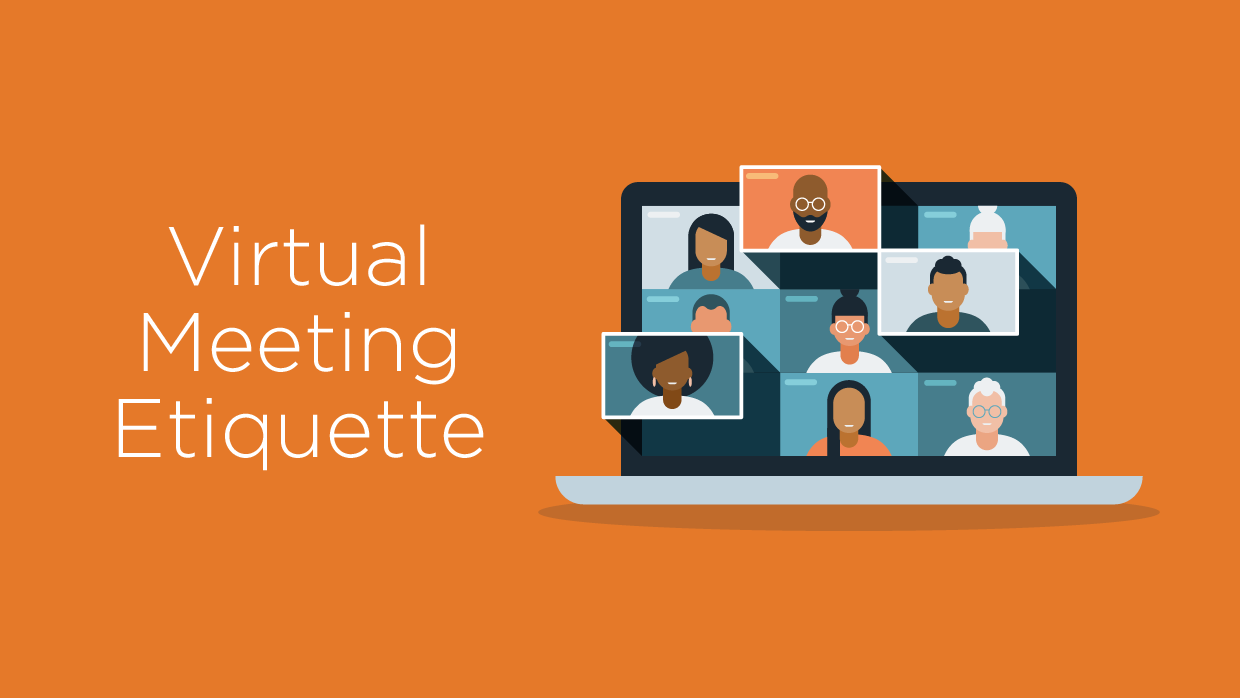
Virtual Meeting Etiquette Takes Center Stage in U.S. Work Culture
It starts with a muted microphone that never unmutes, a camera accidentally left off, or a side conversation caught on a hot mic. Small moments, yet they shape how millions of Americans now experience work every single day. As remote and hybrid jobs redefine offices, virtual meeting etiquette has quietly become one of the most searched workplace topics in the United States. It is no longer about manners alone. It is about credibility, career growth, and how professionals are judged in a digital-first world.
Why Virtual Meeting Etiquette Is Suddenly Trending Nationwide
Search trends across the U.S. show a sharp rise in interest around virtual meeting etiquette, especially after companies pushed for hybrid work models. Employees are no longer attending occasional video calls. For many, virtual meetings are the workplace. That shift has turned everyday behaviors into visible signals of professionalism, making etiquette a topic people actively research and discuss.
Another reason behind the surge is fatigue. According to recent workforce surveys, American professionals now spend an average of 11 hours per week in virtual meetings. As time online increases, tolerance for distractions drops. Leaders and team members alike are demanding clearer standards. Virtual meeting etiquette has become the unspoken rulebook that determines who feels prepared, respected, and effective in digital rooms.
How Remote Work Changed Professional Expectations
Before remote work, much of office etiquette happened naturally. Body language, hallway cues, and physical presence guided behavior. In virtual spaces, those cues disappear. This gap forced workers to rethink how they communicate, listen, and show engagement. Virtual meeting etiquette emerged as a way to recreate trust and clarity without physical interaction.
In the United States, where performance reviews and promotions increasingly involve remote collaboration, etiquette now affects outcomes. Showing up on time, staying focused, and communicating clearly during video calls can influence how managers perceive reliability. As work becomes less about where you sit and more about how you show up online, etiquette fills the space left behind by traditional office norms.
Common Mistakes That Are Hurting Professional Images
Despite growing awareness, many professionals still struggle with virtual meeting etiquette. Multitasking during calls, poor audio quality, and unclear communication remain common complaints. These behaviors may seem minor, but over time they shape reputations. Colleagues notice who is present and who appears disengaged, even through a screen.
Managers report that repeated etiquette issues can impact trust. When someone frequently interrupts, forgets agendas, or ignores visual cues, meetings become less productive. In a competitive job market, especially in the U.S., these patterns can influence leadership decisions. Virtual meeting etiquette is no longer optional. It is a soft skill with very real consequences.
The Role of Technology and Platform Culture
Different platforms have shaped how virtual meeting etiquette evolves. Tools like Zoom, Microsoft Teams, and Google Meet each carry unspoken norms. Features such as hand-raising, chat reactions, and breakout rooms influence behavior. Understanding these tools is now part of professional literacy.
Technology has also raised expectations. High-quality cameras, noise-canceling microphones, and stable internet are becoming standard. When technology allows smoother communication, tolerance for avoidable disruptions decreases. Virtual meeting etiquette now includes technical preparedness, not just behavior. In U.S. workplaces, this shift reflects a broader trend toward efficiency and accountability in digital collaboration.
Generational Shifts and Workplace Norms
Virtual meeting etiquette also highlights generational differences. Younger professionals who grew up with video communication often adapt quickly to digital norms. They use chat features comfortably and understand online cues. Older workers may rely more on traditional meeting habits, sometimes clashing with newer expectations.
These differences are prompting conversations about inclusivity and adaptability. Companies across the United States are offering training sessions to align teams. The goal is not to enforce rigid rules but to create shared understanding. Virtual meeting etiquette becomes a bridge between generations, helping teams collaborate smoothly despite different communication styles.
Why Etiquette Impacts Mental Health and Burnout
Poor virtual meeting etiquette does more than waste time. It contributes to stress and burnout. Meetings that run long, lack focus, or feel disrespectful drain energy quickly. Employees report feeling invisible when cameras stay off or voices dominate without balance.
On the other hand, strong virtual meeting etiquette can improve well-being. Clear agendas, respectful turn-taking, and mindful scheduling reduce cognitive load. In the U.S., where burnout rates remain high, companies are beginning to see etiquette as part of wellness strategy. Better meetings mean better workdays, even when those days happen from home.
Data, Trends, and the Future of Virtual Meetings
Workplace analysts predict that hybrid work will remain dominant through the next decade. With that permanence comes standardization. Virtual meeting etiquette is expected to formalize, much like email etiquette did years ago. Training programs, onboarding guides, and leadership models increasingly include digital communication standards.
Data already supports this direction. Companies that invest in communication training report higher engagement and faster decision-making. As artificial intelligence begins to assist with meeting summaries and analytics, etiquette may become measurable. Who speaks, who listens, and how time is used could soon be tracked, making etiquette visible in new ways.
What Professionals and Teams Should Do Next
For individuals, improving virtual meeting etiquette starts with awareness. Simple habits like testing equipment, preparing talking points, and minimizing distractions make a noticeable difference. These actions signal respect for others’ time and attention.
For organizations, the next step is clarity. Setting shared expectations removes guesswork and reduces frustration. As virtual meetings continue to define modern work, etiquette becomes a competitive advantage. Take time today to reflect on how you show up on screen. Share best practices with your team. In a digital workplace, professionalism is no longer whispered in hallways. It is visible in every virtual room you enter.