





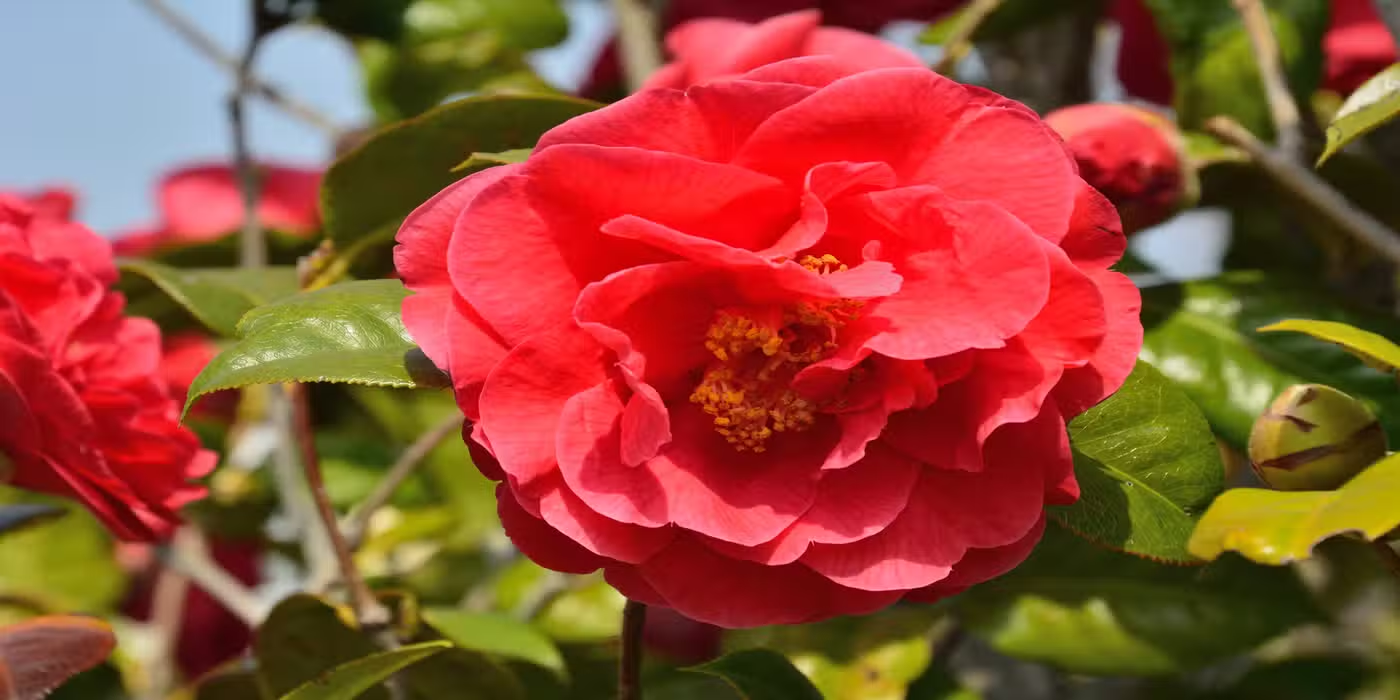
Middlemist Red Camellia Sparks Global Obsession in America
The middlemist red camellia sounds like a myth, yet it is real, fragile, and stirring emotions across the United States. Known as one of the rarest flowers on Earth, this crimson bloom has suddenly surged into public conversation, leaving people stunned by its beauty and mystery. With only two verified plants known to exist, its story feels almost unbelievable. In a digital age flooded with content, this flower’s quiet survival has become a powerful reminder of how much wonder still exists.
What makes the moment truly scroll-stopping is timing. As Americans grow increasingly fascinated by lost species and conservation stories, the middlemist red camellia has emerged as a symbol of rarity, resilience, and nature’s vulnerability, captivating millions almost overnight.
The Remarkable Story Behind the Middlemist Red Camellia
The origins of the middlemist red camellia read like historical fiction. Brought from China to England in the early 1800s by botanist John Middlemist, the flower vanished from its native land soon after. What remains today are just two known specimens, one in a greenhouse in the United Kingdom and another in New Zealand. That scarcity alone elevates it beyond a botanical curiosity.
In the United States, rare flower stories often resonate deeply, especially as awareness of extinct plants grows. The middlemist red camellia represents a living contradiction. It is not extinct, yet it is almost unreachable. That tension fuels fascination, driving interest from plant collectors, conservationists, and everyday readers alike.
Why America Is Suddenly Paying Attention
Interest in the middlemist red camellia has surged as Americans search for meaning in environmental narratives. Social platforms, documentaries, and digital publications have amplified its story, positioning it alongside trending conversations about biodiversity loss. Unlike abstract statistics, this flower offers a tangible symbol people can visualize and emotionally connect with.
Recent data shows a sharp increase in searches related to rare plants and botanical mystery topics in the United States. The middlemist red camellia sits at the center of this trend. It embodies what many fear losing forever, and that emotional pull has made it a compelling subject across news and lifestyle platforms.
A Botanical Mystery That Defies Modern Expectations
In an era where nearly everything feels documented, the middlemist red camellia stands apart as an unresolved mystery. Scientists know its lineage traces back to camellia japonica, yet its disappearance from China remains unexplained. No confirmed wild populations exist, leaving researchers with unanswered questions that feel increasingly urgent.
For American audiences, this mystery adds intrigue. The idea that something so striking could nearly vanish without warning challenges assumptions about human control over nature. The middlemist red camellia reminds us that discovery does not always mean preservation, a lesson that resonates strongly amid climate anxiety.
Conservation Lessons Hidden in a Single Flower
The story of the middlemist red camellia is not just about rarity, but about responsibility. Conservation experts often cite it as an example of how easily species can slip through the cracks. Without early intervention, even the most beautiful plants can fade into obscurity before science fully understands them.
In the United States, conservation movements increasingly use storytelling to engage the public. The middlemist red camellia fits this approach perfectly. Its survival depends on controlled environments, highlighting the importance of botanical gardens and global cooperation. It transforms conservation from an abstract idea into a personal, emotional concern.
How Botanical Gardens Protect the World’s Rarest Plants
Botanical gardens play a critical role in preserving species like the middlemist red camellia. These institutions act as living archives, safeguarding plants that may no longer thrive in the wild. In recent years, American botanical gardens have expanded conservation programs, focusing on rare and endangered species.
Statistics show that more than one-third of known plant species face extinction risk. Stories like the middlemist red camellia help justify funding and public support for these gardens. By protecting fragile specimens, institutions ensure future generations can witness living history rather than read about irreversible loss.
The Role of Plant Collectors and Ethical Debate
The allure of the middlemist red camellia has reignited debate around plant collecting. While collectors have historically helped preserve rare species, unregulated demand can also accelerate extinction. This ethical tension has become a talking point in American horticultural circles.
Experts emphasize that fascination must not lead to exploitation. The middlemist red camellia cannot be commercialized, and its value lies in protection, not possession. This conversation reflects a broader cultural shift toward ethical interaction with nature, especially among younger audiences.
Why the Middlemist Red Camellia Feels So Symbolic Today
Culturally, the middlemist red camellia resonates because it mirrors modern fears. It represents beauty on the brink, survival against odds, and the fragility of ecosystems. At a time when environmental headlines feel overwhelming, this single flower offers a focused narrative people can grasp.
In the United States, symbolic stories often drive action more effectively than data alone. The middlemist red camellia has become a quiet ambassador for biodiversity, reminding readers that loss can happen silently and recovery may not always be possible.
Future Predictions for Rare Plant Awareness
Looking ahead, experts predict growing interest in rare plants like the middlemist red camellia. As climate challenges intensify, stories centered on survival and preservation will likely dominate environmental coverage. Educational initiatives may increasingly highlight iconic species to foster emotional engagement.
Technology could also play a role. Virtual tours and digital archives may allow Americans to experience rare flowers without physical access. While the middlemist red camellia may remain unreachable in person, its story will continue spreading, inspiring curiosity and concern worldwide.
Why This Flower’s Story Should Matter to You
The middlemist red camellia is more than a botanical footnote. It is a reminder that once something disappears, it rarely returns. Its survival feels miraculous, yet fragile. For American readers, it offers a chance to reflect on personal responsibility toward the natural world.
As interest grows, the story invites participation. Learn about conservation. Support botanical institutions. Share stories that matter. The future of rare species depends not on awareness alone, but on action. Stay curious, stay informed, and help ensure stories like the middlemist red camellia remain alive for generations to come.