





Market Trend FTAsiaFinance Signals a New Era for US Investors
In the early hours of Wall Street trading, something subtle but powerful is shifting. Data dashboards flicker, analysts refresh charts, and investors feel it before they can fully explain it. The market trend ftasiafinance is quietly reshaping how money moves, how risks are assessed, and how opportunity is defined in the United States. This is not just another headline. It is a story about timing, technology, and trust in a market that refuses to stand still.
What makes this moment different is emotion. Hope mixed with caution. Confidence tempered by memory. As inflation fears ease and digital finance accelerates, the market trend ftasiafinance is emerging as a signal many investors are watching closely, wondering if this could be the turning point they have been waiting for.
Why the Market Trend FTAsiaFinance Is Dominating Financial News
Over the past few months, financial media in the United States has increasingly referenced the market trend ftasiafinance as a benchmark for broader market sentiment. This is happening because the trend captures multiple forces at once, including cross-border capital flows, fintech innovation, and shifting investor psychology. Instead of focusing on one sector, it reflects a composite view of how modern markets behave under pressure and opportunity.
Journalists and analysts are paying attention because this trend has proven to be surprisingly predictive. In recent quarters, movements associated with the market trend ftasiafinance aligned closely with changes in US stock market performance, particularly in tech and financial services. That correlation has turned it into a talking point on trading floors, podcasts, and investment newsletters nationwide.
The Data Behind the Market Trend FTAsiaFinance Momentum
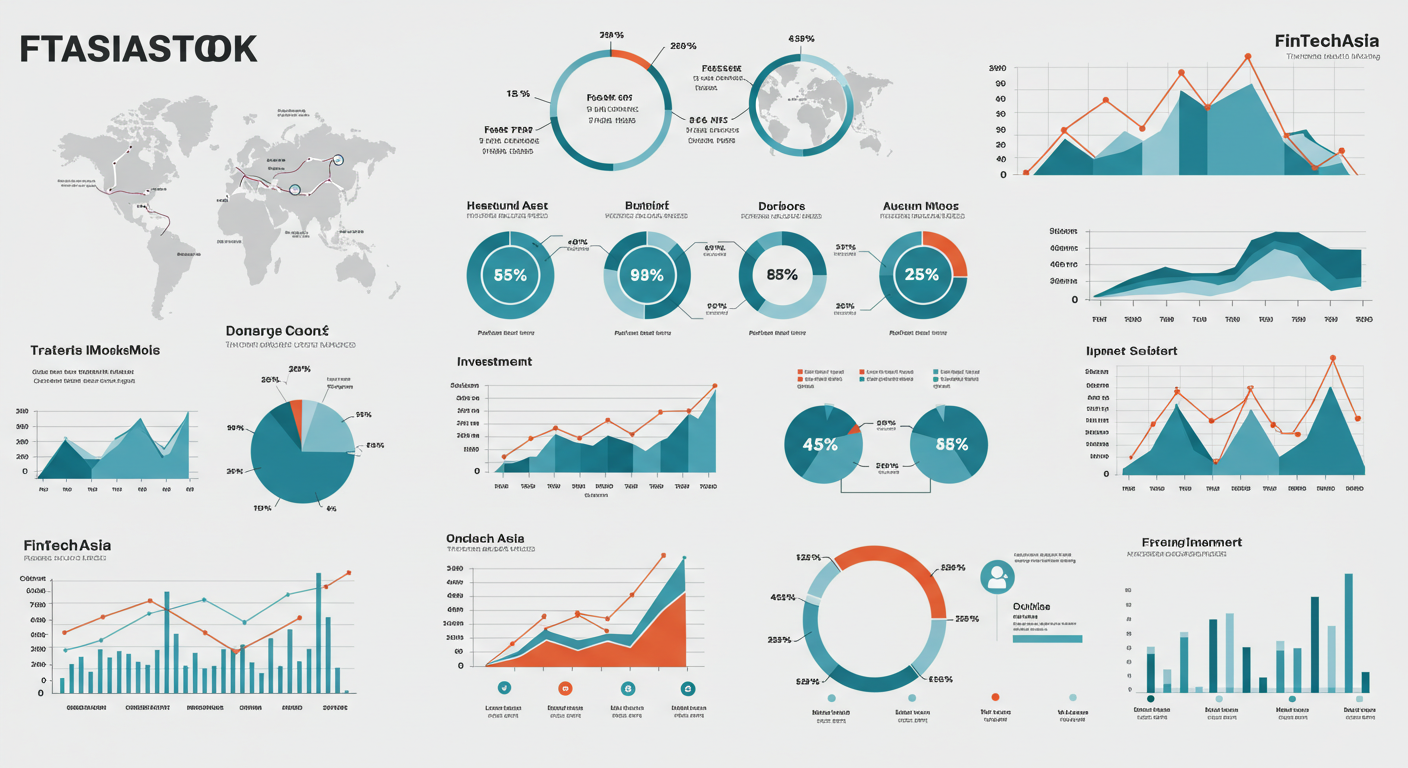
Numbers tell part of the story, and the data supporting the market trend ftasiafinance is hard to ignore. According to recent financial analytics reports, platforms tracking this trend have seen double-digit growth in user engagement year over year. Trading volumes linked to strategies influenced by this trend have also risen, suggesting real capital is following the signal, not just curiosity.
More importantly, volatility indicators tied to the market trend ftasiafinance show a stabilizing pattern. For US investors, this matters. Stability does not mean low returns, but it does suggest a more predictable environment. In a post-pandemic economy still finding its balance, predictable trends backed by data can feel like rare anchors in choppy financial waters.
How US Investors Are Reacting to This Emerging Trend
Across the United States, investor behavior is changing in response to the market trend ftasiafinance. Retail investors are increasingly using digital platforms to access insights once reserved for institutions. Meanwhile, professional fund managers are adjusting portfolios to reflect signals derived from this trend, especially in growth-oriented assets and diversified global exposure.
What stands out is the emotional shift. Fear-driven decisions are slowly giving way to strategy-driven choices. Investors are not just asking what is hot, but why it is moving. The market trend ftasiafinance appeals to this mindset because it combines macroeconomic indicators with real-time financial data, offering context rather than hype.
The Role of Technology and Fintech Innovation
Technology is the backbone of the market trend ftasiafinance story. Advanced analytics, artificial intelligence, and real-time data processing make it possible to identify patterns across markets faster than ever before. For US investors, this means decisions can be informed by a broader and more nuanced picture of global finance.
Fintech platforms leveraging this trend are also improving accessibility. Mobile-first design, simplified dashboards, and personalized insights make complex market signals easier to understand. This democratization of financial intelligence is one reason the market trend ftasiafinance is gaining traction beyond Wall Street, reaching everyday investors across the country.
Key Sectors Influenced by Market Trend FTAsiaFinance
Several sectors in the US economy are already feeling the impact of the market trend ftasiafinance. Technology stocks remain at the forefront, particularly companies involved in data analytics, cloud computing, and digital payments. Financial services, including banks adapting to digital transformation, are also closely aligned with the trend’s movement.
Energy and sustainability sectors are another area of influence. As investors increasingly consider environmental and long-term economic factors, signals from the market trend ftasiafinance are being used to gauge which companies are positioned for resilient growth. This cross-sector relevance is what makes the trend more than a niche indicator.
Risks, Reality Checks, and What Critics Are Saying
No financial trend is without skeptics, and the market trend ftasiafinance is no exception. Critics warn that overreliance on aggregated data can sometimes mask underlying risks. Sudden geopolitical shifts, regulatory changes, or unexpected economic shocks can still disrupt even the most data-driven models.
However, supporters argue that awareness of these risks is built into the trend itself. By incorporating multiple indicators and global data points, the market trend ftasiafinance aims to reduce blind spots rather than eliminate risk entirely. For US investors, the key is balance, using the trend as a guide, not a guarantee.
Future Predictions for Market Trend FTAsiaFinance in the US
Looking ahead, analysts predict the market trend ftasiafinance will become even more influential in the United States. As artificial intelligence tools improve and data sources expand, the accuracy and relevance of this trend are expected to grow. Some forecasts suggest it could become a standard reference point in mainstream investment strategies within the next two to three years.
There is also speculation that regulatory frameworks will evolve to accommodate these data-driven trends. If that happens, institutional adoption could accelerate, further embedding the market trend ftasiafinance into the fabric of US financial decision-making. The future points toward integration, not isolation.
What This Trend Means for Everyday Americans
Beyond charts and forecasts, the market trend ftasiafinance has real implications for everyday Americans. Retirement accounts, savings plans, and personal investment portfolios are all influenced by broader market behavior. A trend that promotes transparency and informed decision-making can empower individuals to take greater control of their financial futures.
This does not mean everyone should suddenly become an active trader. Instead, it highlights the importance of financial literacy. Understanding why markets move, and how trends like this one operate, can help people make calmer, smarter choices with their money in an uncertain economic climate.
Final Thoughts on the Market Trend FTAsiaFinance Shift
The market trend ftasiafinance is not just another buzzword in financial media. It represents a shift in how markets are analyzed and how confidence is rebuilt in a complex system. For US investors, it offers a lens that blends data, technology, and human behavior into one evolving narrative.
As this trend continues to unfold, staying informed will be critical. Follow the data, question the assumptions, and watch how this story develops. If you want to stay ahead of where the market is going next, now is the time to pay attention, share insights, and engage with the conversation shaping the future of investing in America.