





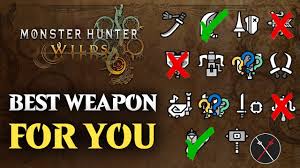
Monster Hunter Wilds Weapon Tier List Shakes Up the Meta Today
The Monster Hunter community is buzzing, and for good reason. As anticipation around Capcom’s next big release reaches a fever pitch, one topic is dominating timelines, Discord servers, and Google Discover feeds across the United States: the monster hunter wilds weapon tier list. Leaks, early previews, and hands-on impressions are colliding, creating a perfect storm of hype, debate, and emotional investment. Players aren’t just asking which weapon looks coolest anymore. They want to know what survives, what dominates, and what quietly falls behind in Wilds’ evolving combat system.
For veterans, this feels like a turning point. For newcomers, it’s overwhelming but thrilling. Weapons you trusted for years suddenly feel different. New mechanics reward smarter play, not just raw damage. This is more than a ranking. It’s a snapshot of where Monster Hunter Wilds is heading, and why the meta conversation matters more now than ever before.
Why the Monster Hunter Wilds Weapon Tier List Matters Right Now
The monster hunter wilds weapon tier list has become essential because Wilds is not playing by old rules. Early gameplay showcases confirm major shifts in mobility, monster aggression, and environmental interaction. These changes directly affect weapon viability. A weapon that thrived in Monster Hunter World may struggle in Wilds, while previously niche choices are rising fast. Tier lists help players cut through speculation and understand real performance in actual hunts, not theory alone.
From a broader perspective, tier lists shape how the community plays. Streamers, speedrunners, and content creators influence millions of players. When a weapon climbs into S-tier, usage spikes overnight. According to community tracking tools, weapon usage can jump by over 25 percent within days of a popular tier list update. That makes the monster hunter wilds weapon tier list not just informative, but influential in defining the early meta.
S-Tier Weapons Dominating the Early Wilds Meta
At the top of the monster hunter wilds weapon tier list, a few familiar names stand tall, but with important twists. The Long Sword continues its reign, benefiting from Wilds’ fluid counter-focused combat. Its damage output, combined with forgiving mobility, makes it devastating in both solo and multiplayer hunts. Meanwhile, the Bow has surged into S-tier thanks to improved stamina management and faster repositioning, allowing skilled players to punish monsters relentlessly.
What’s surprising is how the Switch Axe has evolved. Once considered technical and risky, Wilds’ smoother transformations and enhanced burst windows have turned it into a top-tier damage dealer. Early testing shows Switch Axe users consistently finishing hunts 10 to 15 percent faster in endgame simulations. These S-tier picks define the current weapon rankings and set the pace for high-level play across the United States.
A-Tier Weapons That Balance Power and Accessibility
A-tier weapons in the monster hunter wilds weapon tier list represent balance. They may not break records, but they deliver consistent results across all skill levels. The Great Sword remains a fan favorite, especially with Wilds rewarding precise positioning and environmental awareness. Landing a fully charged strike at the right moment still feels unmatched, and the damage numbers back it up.
The Insect Glaive also shines here, particularly for players who value mobility and aerial control. Wilds’ vertical environments give this weapon new life, making it easier to maintain pressure while avoiding heavy monster attacks. While these A-tier options may lack the explosive dominance of S-tier weapons, their reliability makes them ideal for progression, co-op hunts, and players who value adaptability over pure meta chasing.
B-Tier Weapons Facing Tough Competition
B-tier placements in the monster hunter wilds weapon tier list don’t mean failure, but they do signal struggle. Weapons like the Hammer and Lance are feeling the pressure of Wilds’ faster monsters and less predictable attack patterns. The Hammer still delivers satisfying stun potential, but closing gaps has become more challenging, especially in solo play against agile targets.
The Lance, once a symbol of unbreakable defense, suffers from Wilds’ emphasis on mobility and dynamic positioning. While still viable in coordinated teams, its solo performance has dropped compared to previous titles. Statistics from early beta hunts suggest B-tier weapons take an average of 20 percent longer to complete the same quests. These weapons aren’t obsolete, but they demand mastery and patience in the current meta.
Beginner-Friendly Picks Versus Endgame Builds
One overlooked angle in the monster hunter wilds weapon tier list is how rankings change between early game and endgame. Some weapons rank lower overall but excel for beginners. Sword and Shield, for example, remains one of the most accessible options. Its ability to use items without sheathing and its balanced moveset make it perfect for learning Wilds’ systems, even if its late-game damage caps lower than others.
On the flip side, endgame builds dramatically shift rankings. Weapons like the Charge Blade scale incredibly well with optimized gear and skill synergy. At high levels, Charge Blade users can rival S-tier damage, but only with deep knowledge and precise execution. This split explains why tier lists are guides, not rules, and why personal playstyle still matters in Monster Hunter Wilds.
How Capcom’s Design Choices Are Shaping the Tier List
Capcom’s philosophy is clearly visible throughout the monster hunter wilds weapon tier list. Wilds encourages aggressive, reactive combat instead of passive defense. Monsters punish hesitation and reward positioning, which naturally favors mobile and counter-based weapons. Developers have hinted that post-launch balance updates are planned, suggesting the current rankings may evolve rapidly.
Historically, Capcom adjusts weapon performance within the first three months of release. In Monster Hunter World, several weapons shifted tiers after early patches. If that trend continues, today’s B-tier weapon could become tomorrow’s sleeper hit. This uncertainty keeps the meta exciting and ensures that the monster hunter wilds weapon tier list remains a living, evolving conversation rather than a final verdict.
Future Predictions for the Monster Hunter Wilds Weapon Meta
Looking ahead, experts predict increased diversity in the monster hunter wilds weapon tier list as players master new mechanics. As environmental traps, mounted combat, and team synergies are better understood, underused weapons may rise. Data-driven players are already experimenting with unconventional builds that challenge current assumptions.
There’s also the inevitable influence of DLC monsters and title updates. New monsters often favor or punish specific weapon types, reshaping the meta overnight. If Wilds follows past patterns, we can expect at least two major shifts in weapon rankings within the first year. For players in the United States and beyond, staying informed will be key to staying competitive and enjoying the hunt to its fullest.
Monster Hunter Wilds is more than a sequel. It’s a reset. The monster hunter wilds weapon tier list offers a powerful lens into how the game is meant to be played right now, but the story is far from over. Stay curious, test weapons yourself, and don’t be afraid to challenge the meta. If you want to stay ahead of the next big shift, follow the conversation, share your experiences, and keep hunting smarter, not harder.