





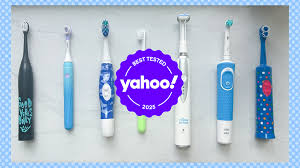
Dentists Reveal the Best Electric Toothbrushing Technique Today
In a country where coffee fuels mornings and fast food powers busy nights, a quiet health shift is happening in American bathrooms. Dentists across the U.S. are raising alarms—and offering solutions—about how people brush their teeth. It is not about brushing more. It is about brushing smarter. Recent dental surveys show millions still struggle with cavities and gum issues despite using modern tools. That contradiction has pushed one question into the spotlight: are people actually using the best electric toothbrushing technique the right way?
What makes this moment different is timing. Smart toothbrush sales are surging, dental costs are rising, and social media is packed with conflicting advice. As oral health trends gain traction on Google Discover, experts say understanding the best electric toothbrushing technique could be a small daily habit that prevents major health problems later.
Why Electric Toothbrushing Is Suddenly a National Conversation
Electric toothbrushes have existed for decades, but their role has evolved dramatically. According to industry data, more than 60 percent of U.S. adults now use an electric toothbrush, yet dentists report technique errors in nearly half of patients. This gap between ownership and effectiveness is why the conversation has shifted from products to performance.
The best electric toothbrushing technique is trending because oral health is increasingly linked to overall health. Studies associate poor brushing habits with heart disease, diabetes complications, and chronic inflammation. As Americans focus more on preventive care, dentists are emphasizing technique over brand. Simply owning an electric toothbrush is not enough. How it is used determines plaque removal, gum protection, and long-term dental outcomes.
What Dentists Mean by the Best Electric Toothbrushing Technique
The best electric toothbrushing technique is not aggressive scrubbing or rapid hand movement. In fact, dentists stress that electric brushes are designed to do the work themselves. The correct approach involves gently guiding the brush head, letting oscillating or sonic motions break up plaque without pressure.
Experts recommend holding the brush at a slight angle toward the gumline and moving slowly from tooth to tooth. Each surface should receive several seconds of attention. Rushing is one of the most common mistakes. The best electric toothbrushing technique relies on patience, consistency, and trust in the device’s built-in motion rather than manual force.
Common Mistakes Americans Still Make With Electric Toothbrushes
Despite good intentions, many users unknowingly damage their oral health. Dentists frequently see worn enamel and receding gums caused by excessive brushing pressure. Electric toothbrushes amplify force, making heavy-handed use risky. This is why pressure sensors are now standard on many smart models.
Another mistake is treating electric brushing like manual brushing. People often scrub side to side, defeating the purpose of oscillating heads. The best electric toothbrushing technique requires minimal wrist movement. Letting the brush linger is far more effective than sweeping motions. Timing also matters. Failing to brush for the full two minutes reduces plaque removal and leaves bacteria behind.
How the American Dental Association Shapes Brushing Guidelines
The American Dental Association has played a critical role in redefining brushing standards. Its recommendations emphasize technique, duration, and gentle contact rather than intensity. ADA-backed studies show that electric toothbrushes, when used properly, remove up to 21 percent more plaque than manual brushes.
The best electric toothbrushing technique aligns closely with ADA guidance. Brush twice daily for two minutes, replace brush heads every three months, and avoid excessive pressure. Dentists also highlight the importance of brushing the tongue and hard-to-reach molars. These evidence-based guidelines are shaping public awareness as oral health education gains momentum nationwide.
The Role of Technology in Improving Brushing Habits
Smart toothbrush technology has transformed how Americans learn the best electric toothbrushing technique. Many models now include real-time feedback, pressure alerts, and app-based coaching. These features are not gimmicks. Dentists report noticeable improvements in patients who use guided brushing tools consistently.
Technology also helps track habits over time. Missed zones, rushed sessions, and uneven pressure patterns become visible through data. This personalized insight encourages better compliance. As artificial intelligence integrates into oral care, experts predict smart feedback will soon become a standard part of preventive dentistry in the United States.
Why Technique Matters More Than Toothpaste or Brush Brand
Marketing often focuses on bristle design or whitening formulas, but dentists argue that technique outweighs both. The best electric toothbrushing technique can significantly improve oral health even with basic toothpaste. Conversely, premium products cannot compensate for poor habits.
Plaque forms continuously, and its removal depends on contact time and angle. Technique determines whether bacteria are disrupted or merely spread. Gum disease often starts silently, making proper brushing essential. By mastering the best electric toothbrushing technique, users protect enamel, reduce inflammation, and lower long-term dental expenses.
Electric Toothbrushing and the Future of Preventive Health
Preventive health is becoming a national priority as healthcare costs climb. Dentists believe oral care will increasingly be viewed as a frontline defense against systemic disease. The best electric toothbrushing technique fits perfectly into this shift, offering a low-cost, high-impact daily practice.
Future predictions suggest greater integration between dental devices and healthcare systems. Data from smart toothbrushes may one day inform dental visits or insurance incentives. As awareness grows, Americans who adopt correct techniques early may see fewer invasive treatments and improved overall wellness.
What Dentists Want You to Remember Starting Tonight
Dentists across the country agree on one message. Do not brush harder. Brush smarter. The best electric toothbrushing technique is about control, not speed or strength. Small adjustments can lead to significant improvements in oral health within weeks.
As trends evolve and technology advances, this simple habit remains powerful. If you are using an electric toothbrush, take a moment tonight to slow down, ease up on pressure, and follow professional guidance. Share this insight with family and friends, and commit to better brushing today—because your future health may depend on it.