




Bennetts Family Bakers Closure Explained: Causes, Impact, and What’s Next
Bennetts Family Bakers Closure: What Happened and What Comes Next
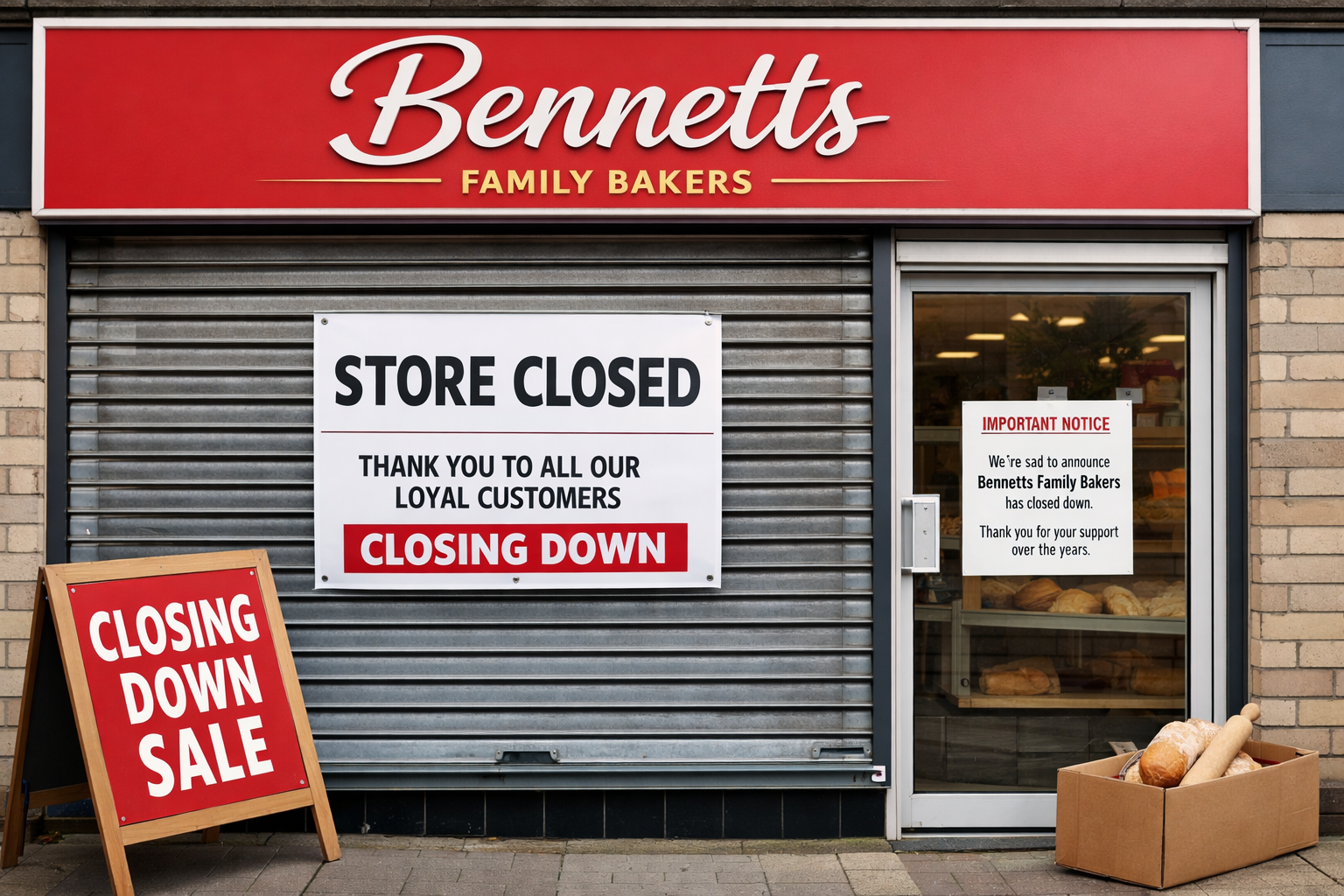
The story behind the closure of a long‑standing bakery business resonates far beyond a single brand. The discussion around the bennetts family bakers closure has captured attention because it touches on heritage, community identity, and the shifting economics of modern food production.
This article explores the background, causes, and wider implications of the closure with depth and clarity. It is designed to serve as a definitive, balanced resource for readers seeking context, insight, and an informed understanding of why this event matters.
The Heritage of Bennetts Family Bakers
For decades, Bennetts Family Bakers represented more than a commercial enterprise. It symbolized generational craftsmanship, local employment, and a commitment to traditional baking methods that many customers associated with reliability and trust.
The bakery’s heritage was rooted in family ownership, a model that often prioritizes long‑term reputation over rapid expansion. This background is essential to understanding why news of closure felt personal to customers and employees alike.
Community Roots and Local Identity
Bennetts Family Bakers was closely interwoven with the communities it served. Local shops, schools, and families relied on its products as everyday staples rather than luxury items.
When a business like this closes, the impact extends beyond lost sales. The disappearance of a familiar name can feel like the erosion of a shared local identity built over many years.
Early Signs of Operational Pressure
Long before formal announcements, subtle signs often indicate stress within traditional food businesses. Rising ingredient costs, tighter margins, and increased competition gradually reshape day‑to‑day operations.
In the context of the bennetts family bakers closure, these pressures likely accumulated quietly, making the final decision appear sudden even though challenges had been mounting.
Shifting Consumer Expectations
Modern consumers increasingly demand variety, convenience, and transparency. While heritage brands benefit from trust, they must still adapt to changing purchasing habits and dietary trends.
Failure to evolve product lines or distribution models can place long‑established bakeries at a disadvantage against agile competitors and supermarket private labels.
The Role of Supermarket Competition
Large retailers now dominate bread and baked‑goods sales, using scale to undercut prices. This environment makes it difficult for independent or family‑run bakeries to maintain profitability.
https://www.thesun.co.uk/money/35418590/bakery-chain-closes-stores/The competitive imbalance highlights a structural issue within the baking industry rather than a single company misstep, adding context to the bennetts family bakers closure.
Supply Chain Cost Inflation
Flour, energy, transport, and labor costs have all risen sharply in recent years. For bakeries operating on thin margins, even small increases can destabilize financial planning.
These cost pressures often force difficult decisions, including reducing output, altering recipes, or ultimately ceasing operations altogether.
Workforce Challenges in Traditional Baking
Skilled bakers are increasingly difficult to recruit and retain. The work is physically demanding, often unsociable in hours, and competes with alternative careers offering more flexibility.
Labor shortages can strain production schedules and increase overtime costs, compounding the operational challenges facing family bakeries.
Financial Sustainability and Margin Realities
Unlike large food conglomerates, family bakeries rarely have access to significant capital reserves. Sustained periods of low margin performance quickly erode financial resilience.
In this environment, closure can sometimes represent a strategic decision to prevent further losses rather than a reflection of brand failure.
Regulatory and Compliance Pressures
Food safety, labeling, and employment regulations are essential but complex. Compliance requires administrative resources that small and mid‑sized bakeries may struggle to allocate.
Over time, the cumulative burden of regulation can weigh heavily on traditional operators without dedicated compliance teams.
Emotional Weight of Closing a Family Business
Deciding to close a family‑run bakery involves more than spreadsheets. It carries emotional consequences tied to legacy, reputation, and personal identity.
As one industry observer noted, “Closing a family bakery is rarely about a lack of pride in the product; it’s about facing realities that passion alone cannot solve.”
Customer Reaction and Public Response
Public response to the closure reflected genuine affection for the brand. Social media posts and local discussions often emphasized nostalgia and appreciation rather than criticism.
Such reactions demonstrate the intangible value created by family businesses, even when financial outcomes ultimately dictate closure.
Media Coverage and Narrative Framing
Media outlets often frame closures as sudden failures, yet the reality is usually more nuanced. Long‑term structural changes rarely translate into immediate headlines.
Understanding this framing helps readers interpret the bennetts family bakers closure as part of a broader industry pattern rather than an isolated collapse.
Comparison With Other Bakery Closures
Similar closures across the baking sector reveal recurring themes, including cost inflation, consolidation, and shifting consumer habits. These patterns suggest systemic challenges.
The table below highlights common factors observed across multiple family bakery closures.
| Factor | Typical Impact | Long‑Term Effect | | Cost Inflation | Reduced margins | Financial instability | | Retail Competition | Price pressure | Market share loss | | Labor Shortages | Production limits | Operational strain | | Regulatory Load | Higher overhead | Reduced agility |
Lessons for Family‑Owned Food Businesses
The experience offers valuable lessons for other family‑owned food producers. Early adaptation and diversification can extend viability in competitive markets.
Equally important is realistic financial planning that accounts for volatility rather than relying solely on historical performance.
Adaptation Versus Tradition
Balancing tradition with innovation is a central challenge for heritage brands. Maintaining core identity while evolving operations requires deliberate strategy.
The bennetts family bakers closure illustrates the risk of leaning too heavily on legacy without sufficient structural adaptation.
Regional Economic Implications
Local economies feel the loss when a manufacturer closes. Employment, supplier relationships, and secondary spending all experience ripple effects.
These consequences reinforce why community stakeholders often rally around long‑standing businesses facing hardship.
Consumer Trust and Brand Legacy
Trust built over decades does not disappear with closure. Many consumers continue to associate the brand with quality and reliability.
This enduring goodwill highlights the non‑financial value family bakeries contribute to regional food culture.
Industry Consolidation Trends
The baking sector has steadily consolidated, favoring scale and efficiency. Smaller players find it increasingly difficult to compete on price alone.
The closure fits within this consolidation narrative, where fewer large producers dominate shelf space.
Could the Outcome Have Been Different?
Hypothetical scenarios often arise after closures, questioning whether alternative strategies might have changed outcomes. While speculation is natural, hindsight oversimplifies complex decisions.
In reality, multiple intersecting pressures usually leave limited viable options for family‑run operations.
What the Closure Signals to Consumers
For consumers, such closures serve as reminders of the fragility of traditional food businesses. Purchasing choices directly influence which brands survive.
Supporting local producers can help sustain diversity within the food system, though it cannot offset all structural challenges.
Future of Family Bakeries
Despite closures, family bakeries continue to play an important role in regional markets. Niche positioning and direct‑to‑consumer models offer potential paths forward.
Innovation rooted in authenticity may allow some family operations to thrive even as the broader industry evolves.
Conclusion
The bennetts family bakers closure reflects more than the end of a single company. It encapsulates the pressures facing heritage food businesses in a rapidly changing economic landscape.
By examining its causes and implications, readers gain insight into how tradition, community, and market forces intersect in today’s baking industry.
Frequently Asked Questions About Bennetts Family Bakers Closure
The following questions address common points of confusion and interest surrounding the closure. They provide concise, factual clarity grounded in the broader context discussed above.
Together, these answers help readers understand why the event matters and how it fits within industry trends.
Why did Bennetts Family Bakers close?
The bennetts family bakers closure resulted from sustained financial and operational pressures, including rising costs and competitive market dynamics.
When was the closure announced?
Public awareness of the bennetts family bakers closure followed internal decisions made after prolonged evaluation rather than a single triggering event.
Were employees affected by the closure?
Yes, the bennetts family bakers closure impacted employees, reflecting the broader workforce challenges common in traditional manufacturing sectors.
Does the closure reflect product quality issues?
No, the bennetts family bakers closure was not driven by quality concerns but by structural and economic factors.
What does this mean for local consumers?
For consumers, the bennetts family bakers closure represents the loss of a trusted local brand and highlights the importance of supporting regional producers.