





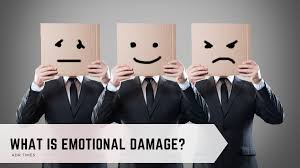
Emotional Damage Goes Viral as Americans Rethink Mental Health
It began as a joke clipped from a video, shared for laughs, and quickly forgotten. But this time, it stuck. Across the United States, the phrase emotional damage is no longer just a meme. It is showing up in serious conversations, late-night searches, and heartfelt confessions online. People are pausing mid-scroll because the words feel uncomfortably accurate. In a culture running on stress and speed, that sudden recognition hits hard. What started as humor has become a mirror, reflecting how many Americans are really feeling right now.
This is not just internet noise. It is a signal.
Why emotional damage is suddenly trending nationwide
Search trends reveal a sharp rise in queries related to emotional damage over the past year. The phrase appears in social media captions, therapy discussions, and even workplace conversations. Analysts say the spike reflects growing openness around mental health, especially as Americans process years of collective stress.
From economic uncertainty to social isolation, emotional strain has become normalized. The term emotional damage offers a simple way to describe complex feelings. Its popularity suggests that people are looking for language that captures what they are experiencing without clinical jargon.
From meme culture to meaningful conversation
The phrase emotional damage gained early traction through viral video clips and reaction memes. Initially, it was used humorously to exaggerate minor setbacks. Over time, the tone shifted. Users began applying it to real-life experiences like burnout, relationship trauma, and family conflict.
Cultural commentators note that humor often acts as a gateway to vulnerability. By laughing first, people feel safer opening up. This evolution shows how digital culture can transform entertainment into emotional expression, especially among younger Americans.
What emotional damage actually means today
In psychological terms, emotional damage refers to lasting emotional harm caused by distressing experiences. These can include chronic stress, neglect, loss, or repeated criticism. While not always visible, the impact can shape behavior, self-esteem, and relationships.
Today, the phrase is used more broadly. People apply it to everything from childhood experiences to workplace pressure. While the term lacks clinical precision, its accessibility helps individuals articulate feelings they might otherwise suppress or ignore.
The role of social media in amplifying pain
Social platforms reward relatability, and stories about emotional damage often resonate deeply. Posts describing exhaustion, disappointment, or anxiety receive high engagement because many viewers feel the same way. This feedback loop encourages more sharing.
However, experts warn that constant exposure to emotional content can be overwhelming. While validation is helpful, endless scrolling through distress can intensify stress. The challenge lies in balancing openness with healthy boundaries in digital spaces.
How the pandemic reshaped emotional resilience
Mental health professionals point to the pandemic as a major catalyst. Prolonged isolation, grief, and uncertainty left lasting marks. Even as daily life resumed, emotional recovery lagged behind.
Studies show increased reports of anxiety and depression across age groups. Emotional damage became a shorthand for unresolved stress. This lingering impact explains why the term remains relevant long after emergency conditions ended.
Workplace stress and hidden emotional tolls
In the American workplace, conversations about emotional damage are becoming more common. Remote work blurred boundaries, while return-to-office mandates added pressure. Employees report feeling stretched, undervalued, or disconnected.
Human resources surveys indicate rising burnout rates, especially among younger workers. Emotional damage in this context often stems from chronic stress rather than a single event. Acknowledging this reality is prompting companies to rethink wellness strategies.
Relationships and emotional scars
Romantic and family relationships are another source of emotional damage discussions. Breakups, betrayal, and communication breakdowns leave lasting impressions. Online communities dedicated to healing have grown rapidly as people seek understanding.
Therapists emphasize that naming emotional wounds is the first step toward healing. When individuals recognize patterns of hurt, they gain agency. The popularity of the term reflects a desire to process pain rather than dismiss it.
Mental health stigma and changing attitudes
For decades, emotional suffering was often minimized in American culture. The casual use of emotional damage challenges that norm. It signals a shift toward acknowledging internal struggles as valid and real.
Public health campaigns and celebrity disclosures have helped reduce stigma. As mental health language becomes mainstream, people feel more comfortable discussing emotional consequences openly, even if the terminology is informal.
What experts say about healing and recovery
Psychologists stress that emotional damage is not permanent. With support, individuals can rebuild resilience. Therapy, mindfulness, and social connection play key roles in recovery. Awareness alone can be powerful.
Experts caution against self-diagnosis through social media trends. While the term helps start conversations, professional guidance remains essential for deep healing. The trend’s value lies in encouraging people to seek help rather than suffer silently.
Data and future mental health trends
Mental health app usage in the United States has surged, reflecting demand for accessible support. Analysts predict continued growth in emotional wellness tools and conversations. Language like emotional damage will likely evolve as awareness deepens.
Future trends may focus more on prevention and resilience. Schools and workplaces are already experimenting with emotional literacy programs. These efforts suggest a long-term cultural shift toward prioritizing mental well-being.
Why this moment matters culturally
The rise of emotional damage as a shared phrase reveals collective honesty. It shows people are tired of pretending everything is fine. Instead, they are choosing to name discomfort and seek understanding.
This moment matters because language shapes action. When people can describe what hurts, they are more likely to address it. The trend reflects a society learning to listen to itself.
What you can do next
If this story resonated, pause and reflect on your own emotional health. Share the article with someone who might feel seen by it. Start conversations that replace judgment with empathy.
Staying informed is the first step toward healing. As awareness grows, so does the opportunity to build a culture that values emotional well-being as much as productivity. Keep engaging, keep learning, and do not ignore what your emotions are telling you.