





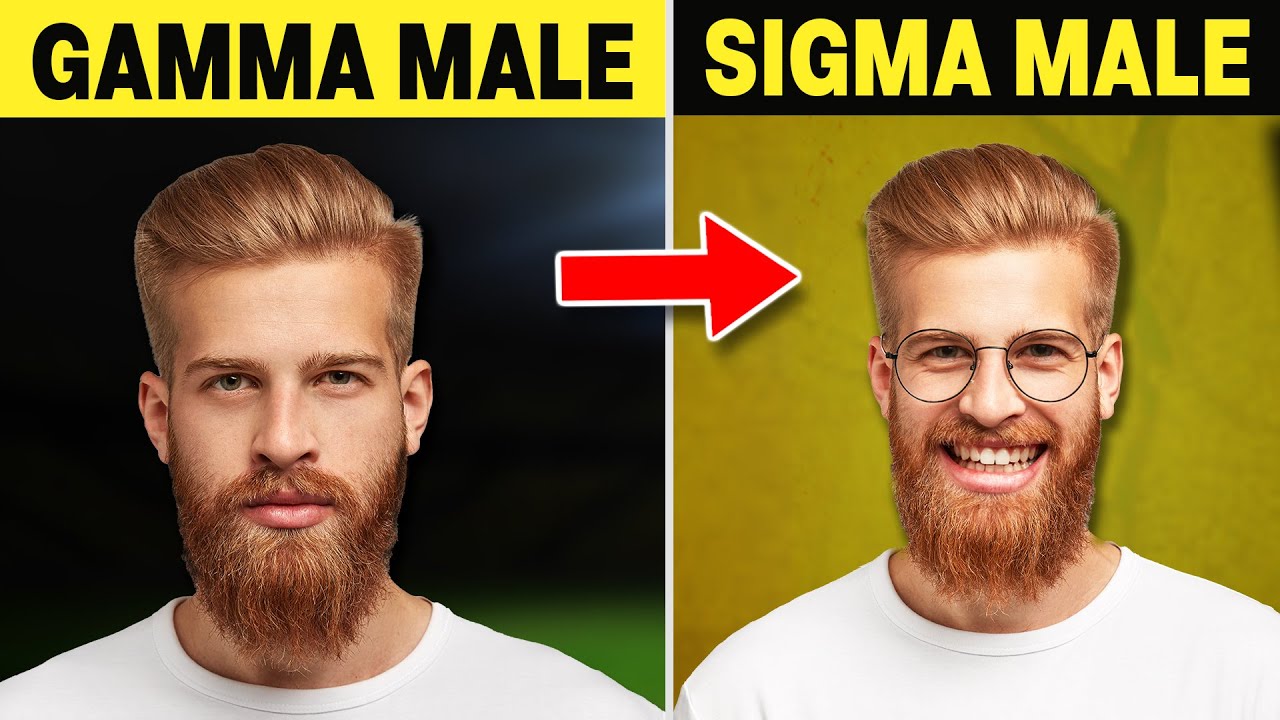
Gamma Male Explained Why This Quiet Archetype Trends in the US
It starts with a late-night scroll and a pause that feels strangely personal. Men and women across the United States are stopping on the same phrase, asking the same question: what is a gamma male, and why does it feel familiar? Unlike loud masculinity trends of the past, this one moves quietly. It speaks to frustration, self-reflection, and identity in a changing world. The rise of this term is not accidental. It mirrors cultural tension, shifting gender expectations, and a generation rethinking what strength really looks like.
What makes the gamma male trend powerful is not hype. It is recognition. People see parts of themselves in it, and that realization is driving massive online interest.
Why the gamma male term is trending across the United States
Search data shows a steady rise in interest around the gamma male, particularly among adults aged 20 to 40. Unlike viral slang that spikes overnight, this trend has grown gradually. Analysts say that signals deeper cultural relevance. The term often appears alongside discussions about masculinity, modern dating, and workplace identity, suggesting a broad social conversation rather than a niche debate.
In the United States, where traditional masculine roles are being questioned, the gamma male concept resonates. It represents men who do not fit alpha or beta stereotypes but still navigate ambition, intelligence, and emotional complexity. As social expectations evolve, language evolves with it, and this term fills a gap many feel but could not previously name.
Understanding what a gamma male really means
The gamma male is typically described as intelligent, self-aware, and independent, yet often overlooked in traditional social hierarchies. Unlike the alpha male, he does not dominate. Unlike the beta male, he does not submit. Instead, he exists outside the hierarchy, often by choice or circumstance.
This archetype is not about weakness. Many gamma males are capable, creative, and introspective. However, they may struggle with recognition or feel disconnected from systems that reward aggression over insight. This nuanced identity is why the gamma male concept sparks debate. It challenges outdated binaries and invites more complex discussions about value and success.
How the gamma male contrasts with alpha and beta males
For decades, popular culture framed masculinity as a competition between alpha and beta roles. The gamma male disrupts that framework. He may possess alpha-level intelligence or ambition but reject performative dominance. He may share beta traits like cooperation but resist dependency or passivity.
This contrast explains why the gamma male often feels misunderstood. In dating culture, he may be seen as too reserved. In professional settings, too unconventional. Yet in creative or analytical fields, these same traits become strengths. The growing awareness of this contrast reflects a broader shift toward redefining masculine success beyond hierarchy.
The role of social media and podcasts in amplifying the idea
The rise of the gamma male cannot be separated from digital culture. Podcasts, long-form videos, and anonymous forums have given space to deeper conversations about identity. Influencers discussing psychology, self-improvement, and masculinity often reference the gamma male as an alternative narrative.
Algorithms amplify content that sparks reflection and debate. Videos explaining male archetypes frequently gain high engagement, especially when viewers feel seen rather than judged. This has pushed the gamma male into mainstream awareness, transforming it from obscure terminology into trending cultural language.
Dating culture and the gamma male experience
Dating apps and modern relationship dynamics play a major role in why the gamma male concept resonates. Many men feel caught between expectations to perform confidence while remaining emotionally available. The gamma male often values depth over display, which can clash with swipe-based dating environments.
Relationship experts note that this disconnect leads to frustration, not failure. Gamma males may thrive in deeper connections but struggle with first impressions. This reality has fueled online discussions, with many users sharing stories that align closely with the gamma male experience.
Workplace identity and career challenges
In professional environments, the gamma male often excels behind the scenes. He may innovate, solve complex problems, or mentor quietly. However, corporate cultures that reward self-promotion can overlook these contributions. This creates a sense of stagnation despite competence.
Career coaches report increased interest in alternative leadership models. As workplaces evolve toward collaboration and emotional intelligence, gamma male traits may gain value. This shift suggests that what feels like a disadvantage today could become a strength tomorrow.
Mental health and emotional depth
One reason the gamma male concept resonates so strongly is its connection to mental health. Many men identify with feeling emotionally complex but socially constrained. The gamma male acknowledges vulnerability without framing it as weakness.
Psychologists emphasize that naming experiences can reduce isolation. When men recognize themselves in this archetype, it opens doors to healthier self-understanding. This aspect of the trend aligns with broader mental health awareness movements gaining traction across the United States.
Misconceptions and online criticism
Not everyone views the gamma male positively. Critics argue that labels oversimplify personality or encourage victimhood. Some online discussions frame the gamma male as bitter or resentful, which misses the nuance of the concept.
Experts caution against rigid identification. The gamma male is best understood as a descriptive tool, not a fixed identity. When used thoughtfully, it encourages self-reflection. When misused, it can become limiting. This tension is part of why the topic remains so active and controversial.
What data and trends suggest about the future
Trend analysts predict continued interest in male archetypes, especially those that challenge traditional norms. As conversations about masculinity diversify, terms like gamma male will likely evolve or give rise to new language.
Younger generations show less attachment to rigid gender roles. Surveys indicate increasing acceptance of emotional intelligence and individuality as markers of strength. This cultural shift suggests that the gamma male may become less of an outlier and more of a recognized variation in masculine identity.
Why this conversation matters right now
The rise of the gamma male reflects a society in transition. It highlights tension between old expectations and new realities. More importantly, it shows a growing desire for authenticity over performance.
If this article sparked recognition or curiosity, you are not alone. Share it with someone who might see themselves in these words. Engage thoughtfully in the conversation. Understanding evolving identities helps build empathy, better relationships, and healthier communities. Stay informed, stay reflective, and keep questioning narratives that no longer fit.
Gamma Male Explained Why This Quiet Archetype Trends in the US
It starts with a late-night scroll and a pause that feels strangely personal. Men and women across the United States are stopping on the same phrase, asking the same question: what is a gamma male, and why does it feel familiar? Unlike loud masculinity trends of the past, this one moves quietly. It speaks to frustration, self-reflection, and identity in a changing world. The rise of this term is not accidental. It mirrors cultural tension, shifting gender expectations, and a generation rethinking what strength really looks like.
What makes the gamma male trend powerful is not hype. It is recognition. People see parts of themselves in it, and that realization is driving massive online interest.
Why the gamma male term is trending across the United States
Search data shows a steady rise in interest around the gamma male, particularly among adults aged 20 to 40. Unlike viral slang that spikes overnight, this trend has grown gradually. Analysts say that signals deeper cultural relevance. The term often appears alongside discussions about masculinity, modern dating, and workplace identity, suggesting a broad social conversation rather than a niche debate.
In the United States, where traditional masculine roles are being questioned, the gamma male concept resonates. It represents men who do not fit alpha or beta stereotypes but still navigate ambition, intelligence, and emotional complexity. As social expectations evolve, language evolves with it, and this term fills a gap many feel but could not previously name.
Understanding what a gamma male really means
The gamma male is typically described as intelligent, self-aware, and independent, yet often overlooked in traditional social hierarchies. Unlike the alpha male, he does not dominate. Unlike the beta male, he does not submit. Instead, he exists outside the hierarchy, often by choice or circumstance.
This archetype is not about weakness. Many gamma males are capable, creative, and introspective. However, they may struggle with recognition or feel disconnected from systems that reward aggression over insight. This nuanced identity is why the gamma male concept sparks debate. It challenges outdated binaries and invites more complex discussions about value and success.
How the gamma male contrasts with alpha and beta males
For decades, popular culture framed masculinity as a competition between alpha and beta roles. The gamma male disrupts that framework. He may possess alpha-level intelligence or ambition but reject performative dominance. He may share beta traits like cooperation but resist dependency or passivity.
This contrast explains why the gamma male often feels misunderstood. In dating culture, he may be seen as too reserved. In professional settings, too unconventional. Yet in creative or analytical fields, these same traits become strengths. The growing awareness of this contrast reflects a broader shift toward redefining masculine success beyond hierarchy.
The role of social media and podcasts in amplifying the idea
The rise of the gamma male cannot be separated from digital culture. Podcasts, long-form videos, and anonymous forums have given space to deeper conversations about identity. Influencers discussing psychology, self-improvement, and masculinity often reference the gamma male as an alternative narrative.
Algorithms amplify content that sparks reflection and debate. Videos explaining male archetypes frequently gain high engagement, especially when viewers feel seen rather than judged. This has pushed the gamma male into mainstream awareness, transforming it from obscure terminology into trending cultural language.
Dating culture and the gamma male experience
Dating apps and modern relationship dynamics play a major role in why the gamma male concept resonates. Many men feel caught between expectations to perform confidence while remaining emotionally available. The gamma male often values depth over display, which can clash with swipe-based dating environments.
Relationship experts note that this disconnect leads to frustration, not failure. Gamma males may thrive in deeper connections but struggle with first impressions. This reality has fueled online discussions, with many users sharing stories that align closely with the gamma male experience.
Workplace identity and career challenges
In professional environments, the gamma male often excels behind the scenes. He may innovate, solve complex problems, or mentor quietly. However, corporate cultures that reward self-promotion can overlook these contributions. This creates a sense of stagnation despite competence.
Career coaches report increased interest in alternative leadership models. As workplaces evolve toward collaboration and emotional intelligence, gamma male traits may gain value. This shift suggests that what feels like a disadvantage today could become a strength tomorrow.
Mental health and emotional depth
One reason the gamma male concept resonates so strongly is its connection to mental health. Many men identify with feeling emotionally complex but socially constrained. The gamma male acknowledges vulnerability without framing it as weakness.
Psychologists emphasize that naming experiences can reduce isolation. When men recognize themselves in this archetype, it opens doors to healthier self-understanding. This aspect of the trend aligns with broader mental health awareness movements gaining traction across the United States.
Misconceptions and online criticism
Not everyone views the gamma male positively. Critics argue that labels oversimplify personality or encourage victimhood. Some online discussions frame the gamma male as bitter or resentful, which misses the nuance of the concept.
Experts caution against rigid identification. The gamma male is best understood as a descriptive tool, not a fixed identity. When used thoughtfully, it encourages self-reflection. When misused, it can become limiting. This tension is part of why the topic remains so active and controversial.
What data and trends suggest about the future
Trend analysts predict continued interest in male archetypes, especially those that challenge traditional norms. As conversations about masculinity diversify, terms like gamma male will likely evolve or give rise to new language.
Younger generations show less attachment to rigid gender roles. Surveys indicate increasing acceptance of emotional intelligence and individuality as markers of strength. This cultural shift suggests that the gamma male may become less of an outlier and more of a recognized variation in masculine identity.
Why this conversation matters right now
The rise of the gamma male reflects a society in transition. It highlights tension between old expectations and new realities. More importantly, it shows a growing desire for authenticity over performance.
If this article sparked recognition or curiosity, you are not alone. Share it with someone who might see themselves in these words. Engage thoughtfully in the conversation. Understanding evolving identities helps build empathy, better relationships, and healthier communities. Stay informed, stay reflective, and keep questioning narratives that no longer fit.