





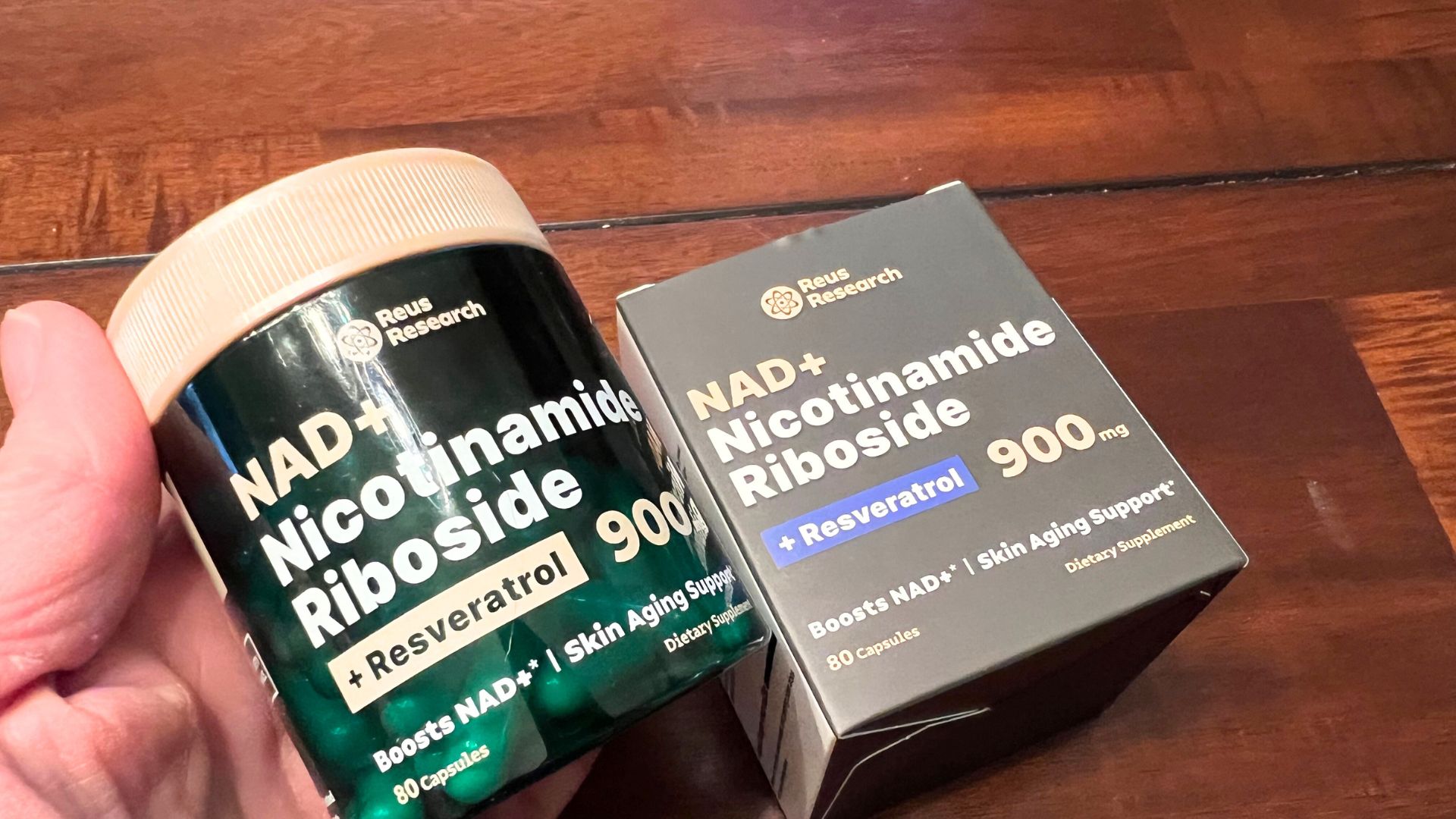
REUS Research NAD Breakthrough Sparks Longevity Buzz Nationwide
Something unusual is happening in American health circles. It is not a celebrity diagnosis or a viral fitness challenge. It is a quiet scientific phrase suddenly exploding across search engines, podcasts, and wellness conferences. REUS Research NAD is being discussed in the same breath as longevity, cellular energy, and the future of healthy aging. What started as a research-focused conversation has now crossed into the mainstream, pulling in biohackers, clinicians, and everyday Americans who want more energy, sharper focus, and longer healthspan.
The curiosity is emotional for a reason. People are tired of quick fixes. They want science-backed hope.
Why REUS Research NAD is trending right now
Interest in REUS Research NAD has surged as Americans look for credible science behind anti-aging and metabolic health. Search trends show a steady climb since late last year, with major spikes following health podcast discussions and conference presentations. Unlike vague wellness fads, this topic is rooted in laboratory research, which has made it stand out in an oversaturated health market.
The timing matters. The United States is facing an aging population and rising rates of chronic fatigue, metabolic disorders, and cognitive decline. Against that backdrop, any credible advancement tied to NAD levels and cellular function naturally attracts attention. REUS Research NAD is becoming shorthand for a deeper shift toward preventative, data-driven health strategies.
What NAD is and why scientists care so much
NAD, short for nicotinamide adenine dinucleotide, is a molecule found in every living cell. It plays a central role in energy production, DNA repair, and cellular communication. As people age, NAD levels decline, which researchers believe may contribute to fatigue, slower metabolism, and age-related disease.
What makes REUS Research NAD notable is its focus on how NAD functions in real biological systems, not just theory. Scientists involved in this area are exploring how NAD pathways influence longevity, mitochondrial health, and cellular resilience. This research connects directly to how people feel day to day, which explains the growing public interest.
The science approach behind REUS Research NAD
REUS Research NAD is not a single experiment or product. It represents a body of ongoing research examining how NAD metabolism can be supported or optimized. Researchers are studying how cells respond to stress, aging, and environmental factors when NAD availability changes.
What separates this work from hype is methodology. Peer-reviewed studies, controlled lab environments, and measurable biomarkers anchor the findings. While the research is still evolving, early data suggests improved cellular efficiency and metabolic balance. That cautious optimism has helped REUS Research NAD gain credibility among scientists and health professionals alike.
How wellness culture amplified the conversation
Once biohacking communities picked up the topic, REUS Research NAD quickly moved beyond academic journals. Influencers, longevity clinics, and wellness entrepreneurs began discussing NAD support strategies, often referencing emerging research without overselling conclusions.
This amplification reflects a broader shift in wellness culture. Americans are no longer satisfied with surface-level solutions. They want to understand mechanisms. Terms like cellular health, mitochondrial function, and NAD boosters are now common in mainstream conversations, showing how science-driven narratives are reshaping consumer interest.
What current data says about potential benefits
While researchers avoid absolute claims, several studies linked to REUS Research NAD suggest promising trends. These include improved cellular energy production, enhanced DNA repair processes, and better stress response at the cellular level. Importantly, scientists emphasize that results vary and are influenced by age, lifestyle, and overall health.
Quick facts often cited include NAD levels declining significantly after age 40 and their connection to metabolic efficiency. These data points have fueled further funding and expanded research initiatives. For many Americans, the appeal lies not in immortality, but in feeling healthier for longer.
Skepticism, safety, and scientific caution
Not everyone is convinced, and that is part of the story. Medical experts urge caution, reminding the public that research does not equal guaranteed outcomes. REUS Research NAD remains an evolving field, and long-term human data is still being collected.
This skepticism is healthy. It keeps the conversation grounded and prevents premature conclusions. Scientists involved stress that lifestyle factors like sleep, nutrition, and exercise remain foundational. NAD research is viewed as a potential supplement to healthy living, not a replacement for it.
The future of NAD research in the United States
Looking ahead, analysts predict that REUS Research NAD will influence how future therapies are developed. Pharmaceutical companies and research institutions are already investing heavily in this area. Clinical trials, precision medicine approaches, and personalized health plans are expected to expand.
If trends continue, NAD-related research could reshape how Americans think about aging. Instead of reacting to disease, the focus may shift toward maintaining cellular health earlier in life. This preventative mindset aligns with broader healthcare reform goals across the country.
Why this story matters beyond the lab
The rise of REUS Research NAD is about more than molecules. It reflects a cultural moment where people demand transparency, evidence, and long-term thinking in health. The excitement is tempered by realism, which makes the conversation sustainable rather than sensational.
For readers, this story is an invitation to stay informed, not to chase miracles. Science moves forward step by step, and understanding those steps empowers better decisions. That balance between hope and evidence is why this topic continues to trend.
What readers should do next
If REUS Research NAD caught your attention, keep following credible sources and peer-reviewed updates. Ask informed questions. Share this article with others curious about the future of longevity science.
The next breakthroughs will belong to those who stay educated. Stay curious, stay critical, and stay engaged as this research unfolds across the United States.